Slip-Resistant Floor Coatings
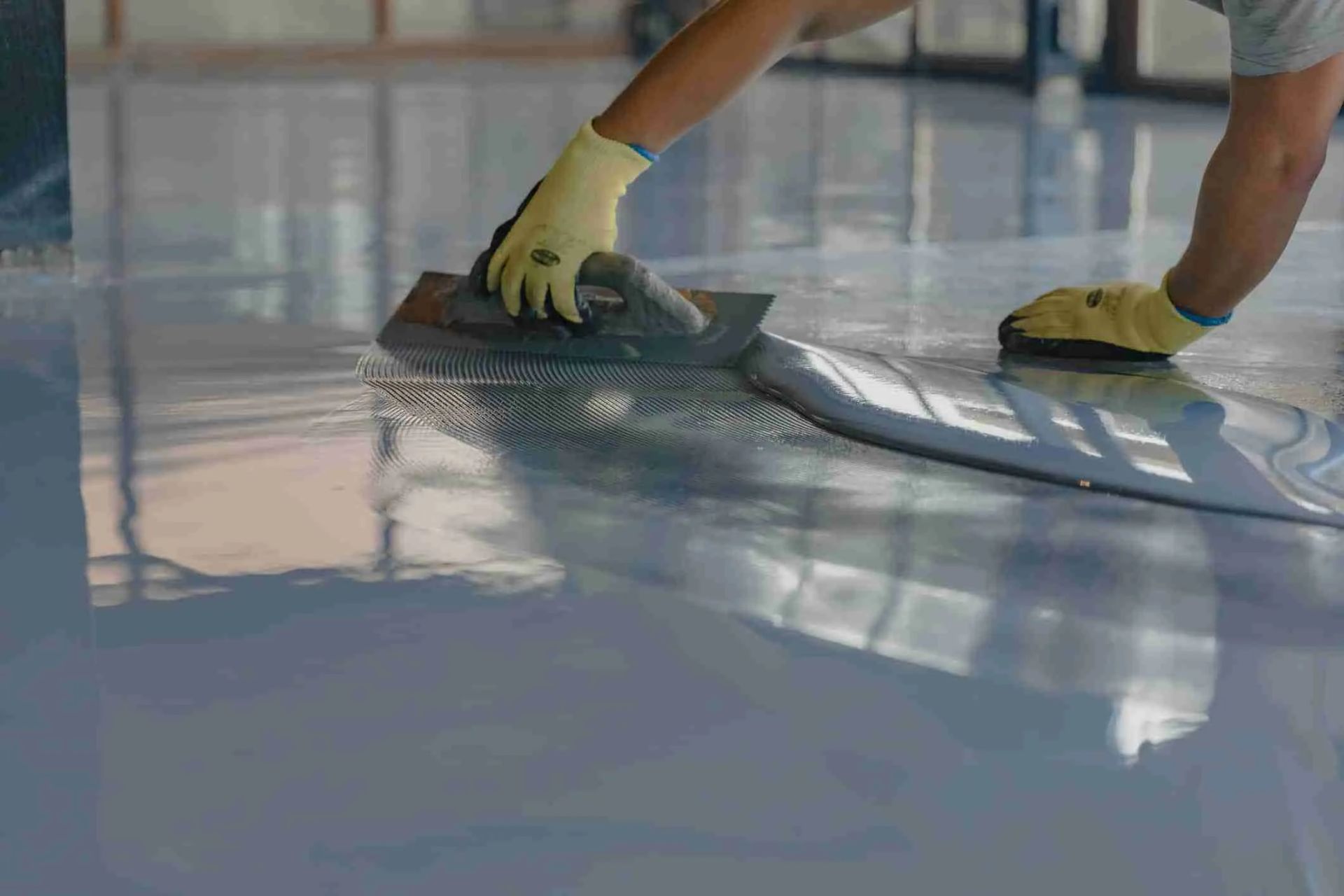
A floor can look great and still be a hazard the first time it gets wet. Garage entries, basement stairs, pool decks, and commercial walkways all deal with the same problem — smooth, sealed surfaces get slick fast once water, snow melt, or slush gets tracked across them. We add slip resistance to floor coatings for homes and businesses across Cambridge, Kitchener, and Waterloo, whether it's built into a brand-new coating or added to a floor you already have.
Why Traction Needs to Be Designed In, Not Assumed
Most people don't think about slip resistance until after a close call on their own garage floor. A standard epoxy or polyaspartic topcoat is smooth by design, which is great for cleaning but does nothing for grip once moisture is on the surface. Adding traction isn't about roughing up the whole floor — it's about mixing an aluminum oxide grit additive into the topcoat at a texture level that matches how the space is actually used, so you get real slip resistance without turning the floor uncomfortable to walk on barefoot.
Where This Actually Gets Used
This isn't just a garage service. We build slip resistance into basement stairs and landings where a fall has real consequences, pool decks and patios where bare feet and wet surfaces meet constantly, garage entries that see snow and slush all winter, and commercial spaces — retail entrances, warehouse ramps, kitchens — where liability and foot traffic make grip a real operational concern. Grit level gets adjusted for each: lighter texture for a pool surround people walk barefoot on, heavier texture for a commercial ramp that needs to perform under work boots and equipment traffic.
Pairs With Any Coating You Already Have
Slip resistance isn't a competing finish choice — it's an add-on that layers onto whatever coating or look you want. If you're going with a decorative flake floor, we build the texture into the clear topcoat over the flake, so you keep the color and pattern you picked without giving up traction. Same goes for a solid-color polyaspartic floor, an existing epoxy coating, or a bare concrete surface — the grit additive goes into the final topcoat layer regardless of what's underneath it.
What Affects the Investment
Adding slip resistance depends on the size of the area being treated, the grit density needed for how the space is used, and whether it's going into a new coating or being added to an existing one (which may need surface prep first). We'll look at the specific space, talk through how it's used day to day, and give you a clear quote before any work starts.
Want traction added to a garage, basement, patio, or commercial floor in Cambridge or Kitchener-Waterloo? Request your free quote and we'll walk through the options.
Get a free quote
Contact Us