Grand River Epoxy | Epoxy Flooring Blog
Metallic Epoxy Floor Pros and Cons - Where It Works Best
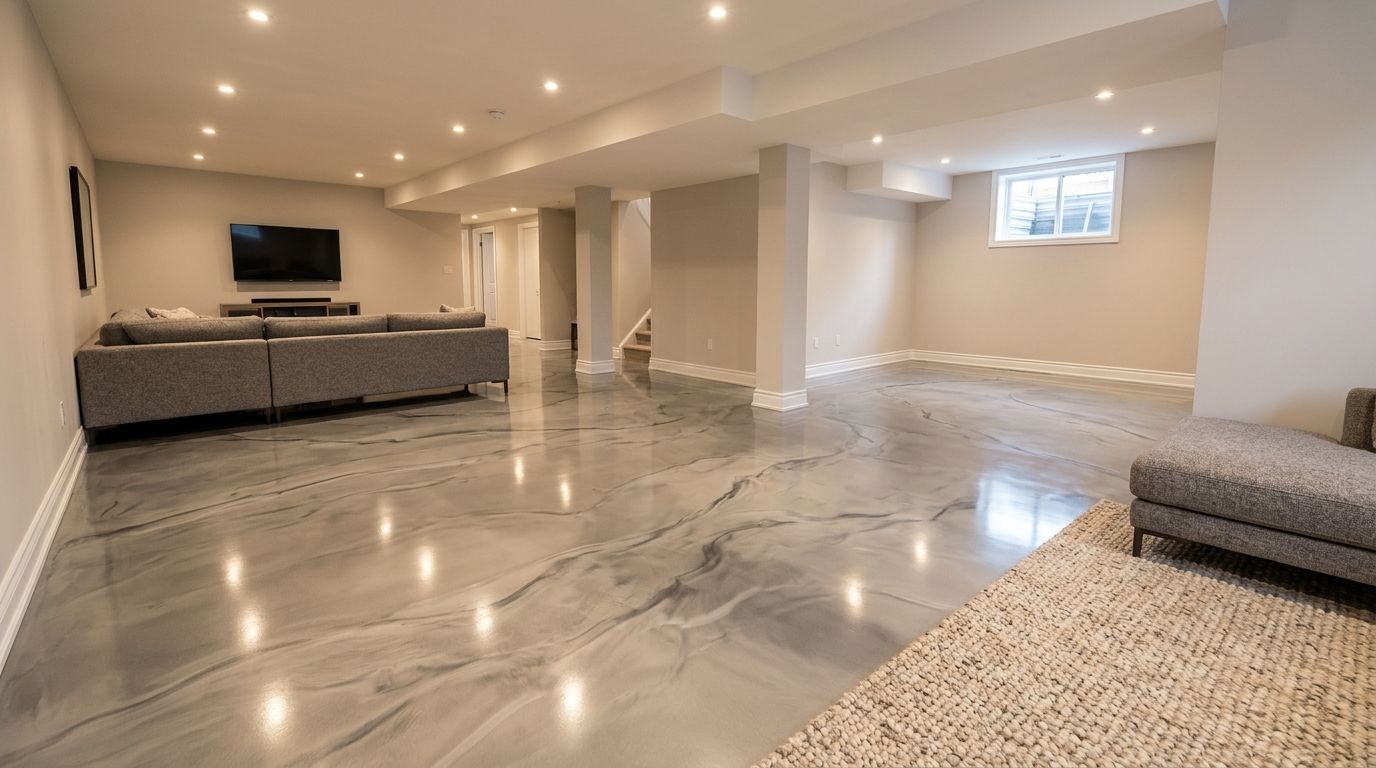
Metallic epoxy is the floor people stop and look at. Swirling pearl, silver, copper or ocean-blue tones that look like poured stone or liquid metal, all in one seamless surface. It's also the finish homeowners ask the most questions about, and fair enough: it isn't the right floor for every room. Here are the honest metallic epoxy floor pros and cons, from the people who install it, so you can decide whether it fits your space.
If you're still comparing systems in general, our guide to the types of epoxy flooring covers solid, flake, metallic and marble side by side.
What Makes a Floor "Metallic"
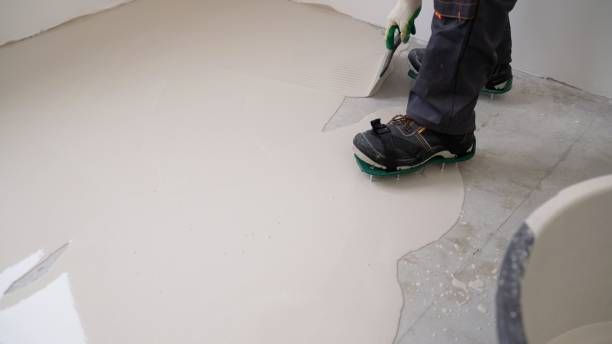
A metallic floor is a professional two-part epoxy system (resin and hardener) with fine metallic or pearlescent pigments mixed into the coat. While the epoxy is still workable, the installer moves the pigments by hand with rollers, trowels and sprayed solvent to create movement, depth and veining. Once it cures, a clear protective topcoat goes on to take the daily wear.
Because the pattern is made by hand, no two metallic floors are identical. That's a big part of the appeal, and it's also part of what you need to know going in.
The Pros of Metallic Epoxy
• One-of-a-kind look. It reads like polished stone, marble or liquid metal at a fraction of the effort of real stone, with no grout lines.
• Seamless and easy to clean. No seams, joints or grout means nowhere for dirt, spills or pet hair to hide. A dust mop and a damp mop handle most cleaning.
• Durable when installed properly. It's a hard, bonded coating, not a floor covering sitting on top of the slab.
• Bright. The gloss reflects light, which makes a big difference in basements and spaces with few windows.
• Moisture-tolerant. Unlike carpet or laminate, there are no seams for spills to soak into, and properly prepared concrete underneath stays protected.
• Works with in-floor heating. Metallic epoxy can go over a heated slab, which takes care of most of the "cold floor" concern in a basement.
The Cons: Metallic Epoxy Floor Disadvantages
Every floor has trade-offs. These are the metallic epoxy floor disadvantages we talk through with every client before a job:
• It shows dust and scratches more than flake. A high-gloss, solid-looking surface shows footprints, pet hair and fine scratches the way a polished car does. Busy flake floors hide them far better.
• It can be slippery when wet. Smooth gloss plus water is slick. An anti-slip additive in the topcoat helps a lot and we recommend it anywhere water is likely.
• The pattern can't be fully predicted. You choose the colours and the style of movement, but the exact pattern forms during installation. If you want a precise, repeatable look, metallic may frustrate you.
• Repairs are hard to hide. A deep gouge can be fixed, but matching a hand-made metallic pattern perfectly in one spot is difficult. Often the fix is a recoat of the area or the whole floor.
• Installer skill matters more than with any other finish. Metallic is the least forgiving system to apply. Ask to see real floors a contractor has done, not just stock photos.
• It's hard underfoot. Like tile or stone, it's a hard surface. Area rugs in seating areas solve this for most people.
Is Metallic Epoxy Durable? How Long Do Metallic Epoxy Floors Last?
Is metallic epoxy durable? Yes. The base is the same two-part industrial epoxy used in our other systems, and it bonds into the concrete rather than sitting on it. What most people really mean is "how long will it look good?" That depends on three things:
· Prep. Diamond-ground concrete and proper surface preparation are what keep any epoxy bonded. Cracks get crack repair first, because metallic shows every flaw beneath it.
· The topcoat. The clear topcoat takes the wear and protects the pigments. A UV-stable topcoat matters in sunny rooms, since standard epoxy can yellow over time in direct sun.
· Use and care. Furniture pads, walk-off mats at entrances and no dragging heavy items keep the gloss looking new.
So how long do metallic epoxy floors last? In a living space with sensible care, a professionally installed floor lasts for many years, and when the gloss eventually dulls, the topcoat can be refreshed without redoing the whole system.
Where Metallic Epoxy Works Best
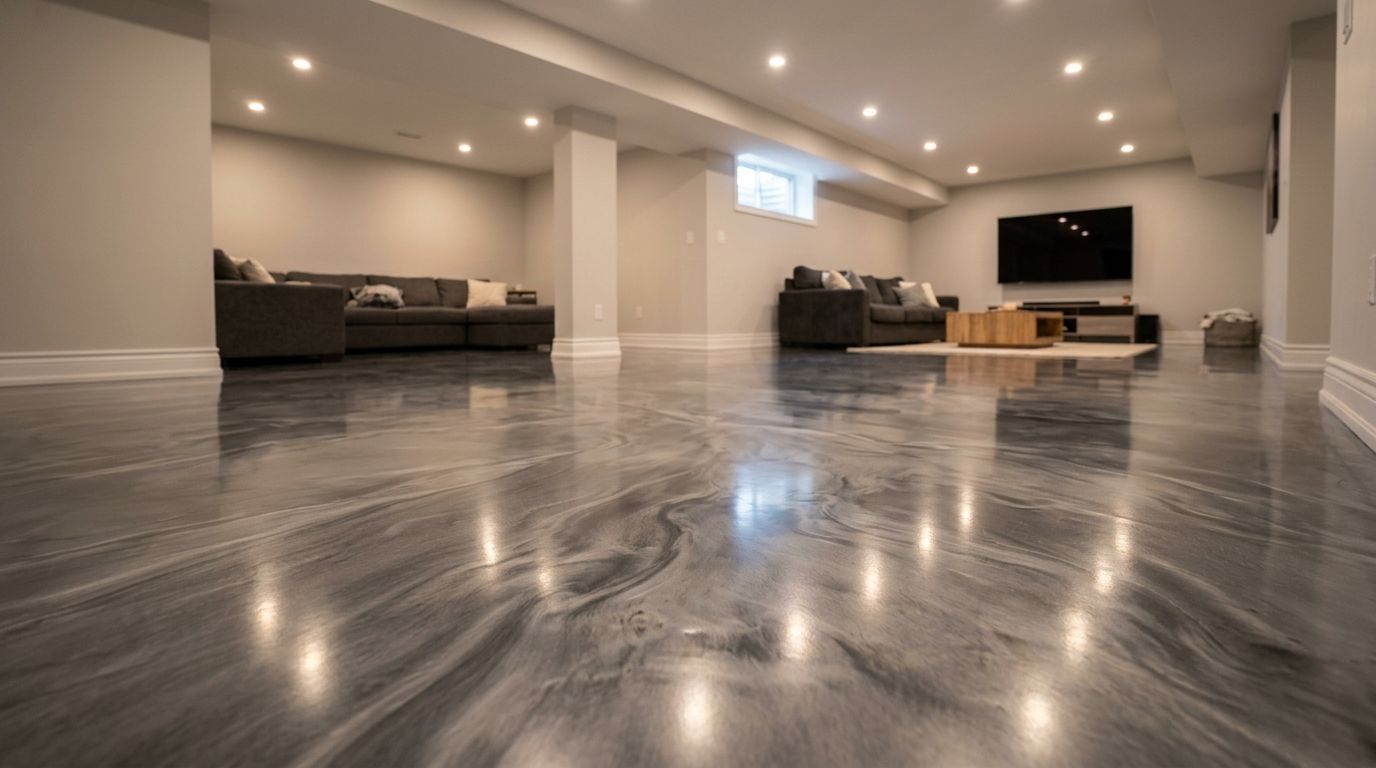
Basements. A metallic epoxy basement floor is the most common metallic job we do. It's moisture-tolerant, brightens a dark space and turns a plain slab into a finished rec room or home theatre. See our basement epoxy floors page for how we handle basement slabs. If you’re also weighing vinyl plank, our epoxy vs vinyl comparison lays out the trade-offs.
Kitchens. A metallic epoxy floor in a kitchen is seamless and easy to wipe clean. Add anti-slip to the topcoat, since water and grease are part of kitchen life.
Living rooms and open-concept spaces. A metallic epoxy floor in a living room makes a statement and suits modern and industrial interiors. Our residential epoxy floors page has more on finishes inside the home.
Showrooms, salons, offices and retail. Metallic is a strong brand moment for client-facing businesses. For traffic and cleaning needs at that level, see commercial epoxy floors.
Where Another Finish Is Usually the Better Choice
Metallic isn't our first recommendation for garages that see winter salt, slush and hot tires, or for workshops with heavy rolling loads. A busy decorative flake floor hides grit and wear far better there. Outdoor surfaces in direct sun also call for a different system. If you're torn between the two decorative options, our flake vs metallic epoxy flooring comparison breaks it down room by room. For any wet area, ask about slip-resistant floor coatings.
Choosing Metallic Epoxy Floor Colors
Metallic epoxy floor colors range from cool silvers, charcoals and pearl whites to warm coppers, golds and bronzes, plus blues and greens that read like water or stone. A few tips when choosing:
• Lighter, pearl-based floors show less dust than very dark ones.
• Pull a colour from your cabinets, countertops or wall paint so the floor ties the room together.
• Two or three tones together give more depth than one.
• Look at samples in your own room's light. Metallic changes a lot between daylight and warm lamps.
Is Metallic Epoxy Right for You?
If you want a floor that's seamless, bright and genuinely one of a kind, and you're comfortable with a glossy surface that shows dust and a pattern you can't fully control, metallic is hard to beat. If you'd rather have something that hides everything and never needs a second look, flake is the safer choice. Either way, we're happy to walk through it with you for homes and businesses across the Waterloo Region, Cambridge and Guelph.
Frequently Asked Questions
How long do metallic epoxy floors last?
With proper prep, a quality topcoat and sensible care, a metallic floor in a home lasts many years. When the gloss eventually wears, the topcoat can be refreshed rather than replacing the whole floor.
Are metallic epoxy floors slippery?
They can be when wet because the surface is smooth and glossy. An anti-slip additive in the topcoat adds grip and is recommended for kitchens, entrances and anywhere water is common.
Can metallic epoxy go in a garage?
It can, but for a garage that sees winter salt, slush and hot tires, a decorative flake system is usually the more practical choice because it hides grit and wear much better.
Can metallic epoxy go over in-floor heating?
Yes. Metallic epoxy can be installed over a heated concrete slab, which is a popular choice for finished basements.
See If Metallic Fits Your Space
Tell us about the room and the look you're after and we'll tell you honestly whether metallic, flake or another finish suits it. Call 226-243-3104 or
request a free quote.
You might also like